Still Audio-Only? Why Video Podcasting Is the Next Big Shift
Video podcasting is reshaping the creator space. Here’s why Spotify, Apple, and Netflix are pushing it, and what creators should do next.
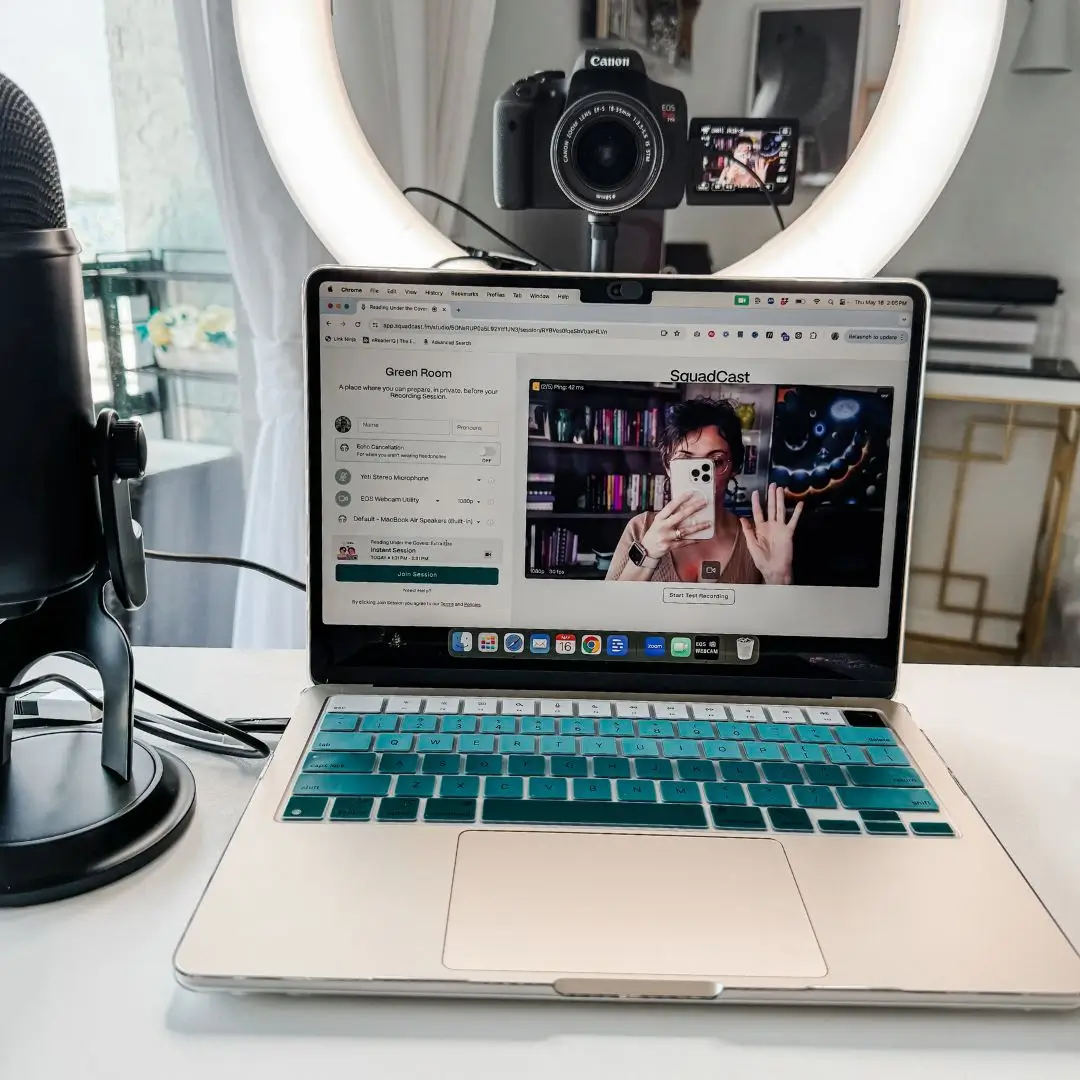
For a long time, podcasting felt pretty straightforward. You recorded your audio, uploaded it to your podcast host, and let it distribute across the major listening apps. If you wanted to go the extra mile, maybe you also uploaded a version to YouTube.
That model is changing fast.
The biggest platforms in media and podcasting are all making aggressive moves toward video podcasting. Spotify is expanding its video tools, adding clips and lowering barriers to monetization. Apple is building video functionality into Apple Podcasts. Netflix is even exploring partnerships and building out a library of video led podcast content. The takeaway is clear: video podcasting is no longer an experiment. It is becoming a core part of the content ecosystem.
Watch the live video discussion
Why Video Podcasting Matters Right Now
What makes this shift so important is not just that one platform is testing something new. It is that multiple major platforms are moving in the same direction at the same time.
Spotify, Apple, Youtube and Netflix are all investing in video podcasting in different ways. That kind of coordinated movement usually signals something bigger than a trend. It signals a format shift in podcast marketing. When several large companies decide that video is worth building around, creators should pay attention.
This also validates something many creators have already been sensing: audiences do not just want to hear a conversation anymore. Increasingly, they want the option to watch it too.
Spotify, Apple, and Netflix Are All Pushing Video
Each platform is approaching this shift from a slightly different angle.
Spotify is making it easier for creators to monetize and manage sponsorships, while also pushing for more video inventory on the platform. In plain English, they want more creators uploading video content, and they are trying to make the platform more attractive for them to do it.
Apple is rolling out video functionality inside Apple Podcasts, giving listeners ways to move between audio, transcript, and video experiences inside the same ecosystem.
Netflix may be the biggest headline of all. Netflix is reportedly reaching out to agencies and building a library of known shows before officially expanding deeper into video podcasts. That means podcast style content is being viewed more and more like television programming, not just audio content with a camera attached.
Audio Only Creators Should Start Capturing Video
The most practical advice is also the simplest: if you are a podcaster and you are still audio only, start capturing video now.
That does not mean you need a giant studio setup. It does not mean you need to reinvent your show overnight. It means that if you are already sitting down to record, there is value in turning on a camera and preserving that visual asset.
Even if your primary focus is still audio, video gives you more flexibility:
- a full episode for platforms that support video
- shorter clips for discovery
- assets for social promotion
- more ways for audiences to connect with your presence and personality
In other words, video is no longer just “extra content.” It is increasingly part of the product.
YouTube Is Still Different
One of the smartest distinctions you can make when recording is that a podcast video is not automatically a strong YouTube video.
Simply uploading a raw podcast recording to YouTube does not always perform the same way as a video intentionally packaged for YouTube. The content may still be valuable, but YouTube rewards context, structure, and presentation differently. So while YouTube is still a major player in podcast consumption, creators need to think carefully about format and packaging if they want strong performance there.
Video podcasting is not just about turning on a camera. It is about understanding how each platform wants the content delivered.
Francesca’s Real-World Spotify Experiment
For Francesca, Spotify had never been a major source of podcast listeners compared to Apple Podcasts. But after consistently uploading the video version of the podcast episodes to Spotify since January, there’s been noticeable growth: more listeners, more followers, and more activity on episodes that previously might not have gained much traction.
That does not mean every creator will see the exact same results. But it is a strong example of what can happen when a platform is actively rewarding a format it wants more of.
Sometimes the opportunity is not in chasing something brand new. Sometimes it is in finally using a feature the platform has been quietly pushing.
The Friction Is Real
Of course, the shift to video is not without complications. There is extra work involved. Right now, in some cases, creators still have to upload audio through their regular podcast host for the RSS feed and then manually upload video separately to platforms like Spotify once the episode is live. Depending on how Apple handles video integrations, that may add even more backend work. So yes, this shift can create more production and publishing tasks, especially for independent creators and small teams.
That part matters because this is where many creators get stuck. The opportunity is real, but so is the operational overhead.
Still, the broader trend suggests that even if the workflow is clunky now, platforms are moving toward making video podcast distribution easier over time.
What This Means for Creators
The larger pattern here is bigger than podcasting alone. Platforms are increasingly trying to become one stop ecosystems. Instead of sending creators and audiences elsewhere, they want everything (audio, video, clips, monetization, and discovery) to happen in one place.
For creators, that means this is a good time to ask a few important questions:
- Where do I want my content to live long term?
- Which platform is most aligned with how I create?
- What parts of my current process can I adapt without burning out?
- Am I building in a format that is growing, or staying attached to one that platforms are slowly moving away from?
You do not need to be everywhere. But you do need to pay attention to where the momentum is going.
Final Thoughts
Video podcasting is no longer a fringe strategy for early adopters. It is becoming part of the mainstream creator economy.
When Spotify lowers monetization barriers, Apple adds video functionality, and Netflix starts circling the format, that is not random. That is the market telling creators where things are headed.
The good news is you do not need a perfect setup to respond. You just need to start thinking more strategically about how you record, package, and distribute your show.
Because right now, the creators who begin capturing video are not just following a trend. They are preparing for where podcasting is going next.